
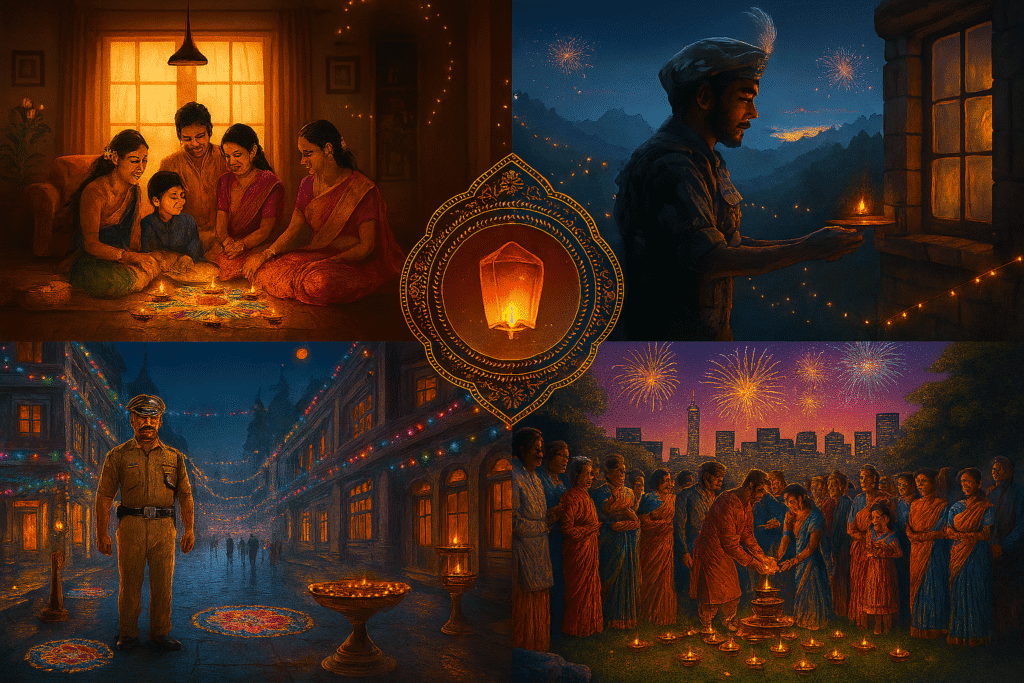
Diwali: The Soul of India Illuminated

cover image

Diwali: Stories That Light the Way

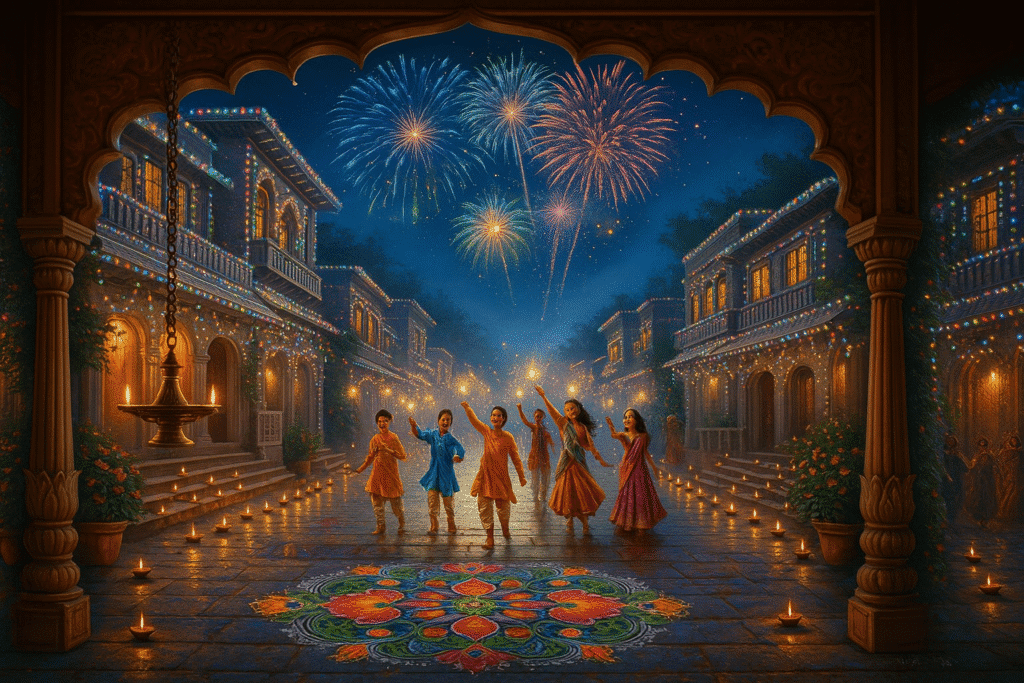
Every year, as the monsoon retreats and the air turns crisp, a quiet anticipation begins to build across India. Streets glow with fairy lights, homes are swept clean and adorned with vibrant rangolis, and the scent of sweets and incense floats through the air. This is the arrival of Diwali, the Festival of Lights, a celebration that transcends religion, region, and generation to become the heartbeat of Indian culture.

Diwali is not just a festival; it is a season of joy, a canvas of colours, and a symphony of lights. It is a time when the country collectively pauses to reflect, rejoice, and renew. From the bustling energy of Mumbai to the serene beauty of Mauritius, and from the dazzling lights of Singapore to the shores of Sydney, from Nepal to New York, the festival is celebrated with equal, infectious enthusiasm. 

What makes Diwali truly extraordinary is its universality and emotional resonance. While its roots lie in Hindu mythology, Diwali is embraced by Jains, Sikhs, Buddhists, and increasingly by people of all faiths and backgrounds. Regardless of religion, individuals across India and the diaspora celebrate Diwali in some shape or form because at its heart, it is a festival of gratitude, prosperity, and hope.

It is a time to express our gratitude for the material comforts we enjoy and to pray for abundance and financial well-being in the year ahead. And let’s be honest, who doesn’t love the food, the crackers, the office parties, and the shopping spree that comes with it? Whether you are lighting diyas in a temple or stringing fairy lights on a balcony, Diwali invites everyone to participate in its glow, making it not just a religious observance but a cultural celebration of life itself.

🪔 Did you know?

Thanks to migration and cultural exchange, Diwali is now celebrated with grandeur in countries far beyond India. At least 12 countries officially recognize Diwali as a public holiday.

  • 🇮🇳 India
  • 🇳🇵 Nepal
  • 🇱🇰 Sri Lanka
  • 🇲🇺 Mauritius
  • 🇫🇯 Fiji
  • 🇹🇹 Trinidad & Tobago
  • 🇬🇾 Guyana
  • 🇸🇷 Suriname
  • 🇲🇾 Malaysia
  • 🇸🇬 Singapore
  • 🇲🇲 Myanmar
  • 🇺🇸 United States (California, Pennsylvania, and New York in certain districts)
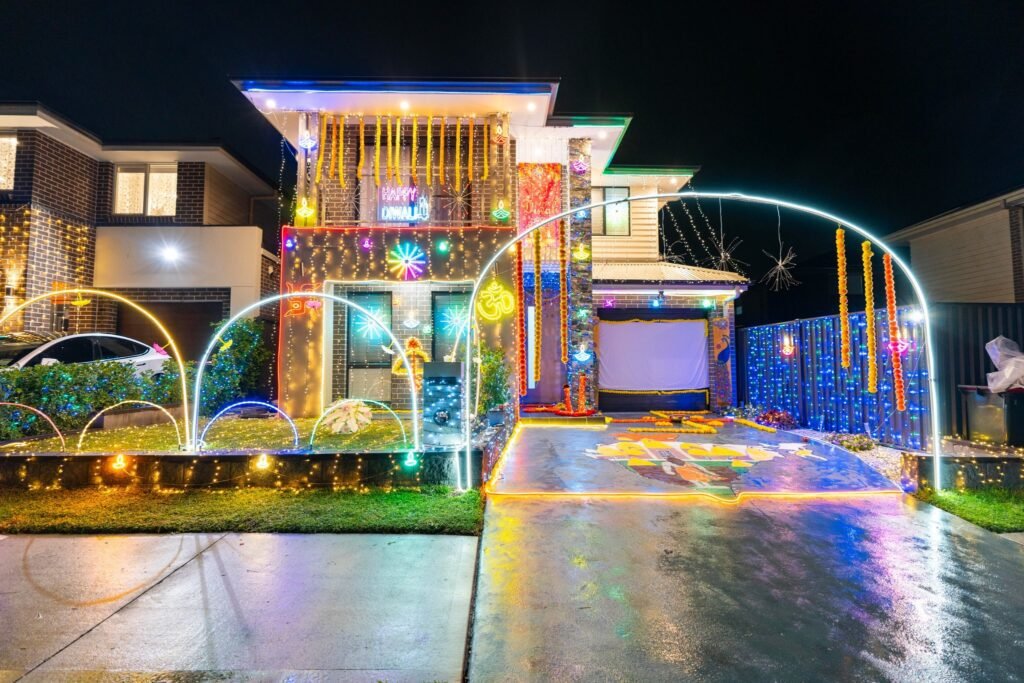
sydney diwali decoration

A beautiful view of Diwali decorations in Sydney, Australia.

Image Courtesy: Blacktown City Council

In cities like London, Toronto, New York, and Sydney, Diwali is celebrated with public events, fireworks, and cultural performances — often supported and frequently sponsored by local governments and communities.

Echoes of the Flame: Tales That Illuminate Tradition

🏹✨ The Return of the King: A Story Behind the Lights

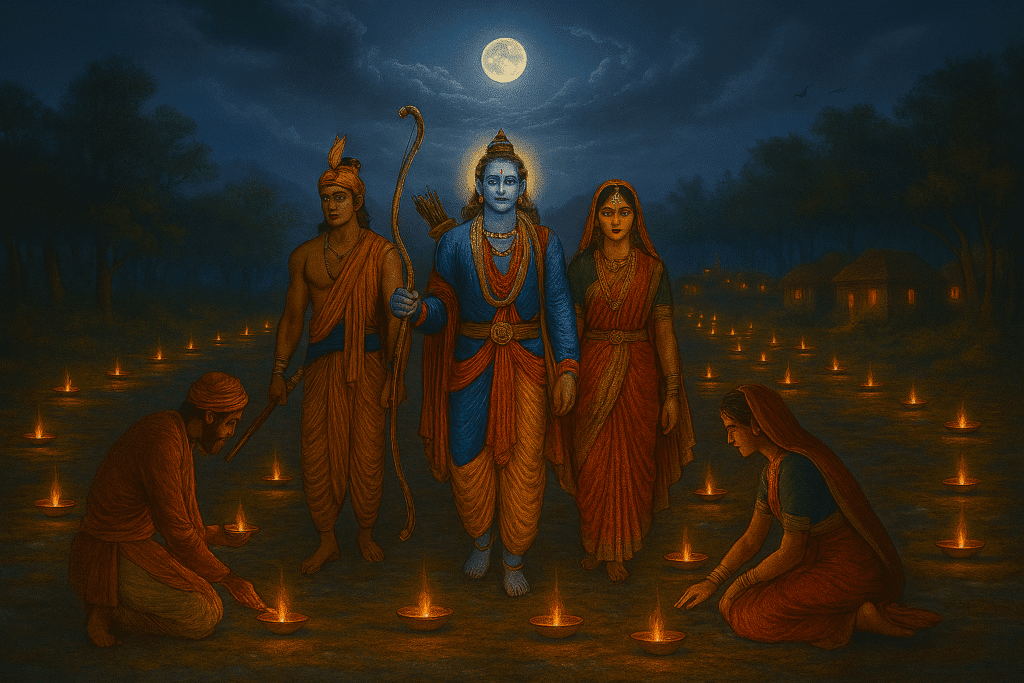
shree ram comeback

After fourteen years of exile and a victorious battle against the demon king Ravana, Lord Rama began his journey back to Ayodhya with Sita and Lakshmana. As he walked through forests and villages under the cover of night, the news of his return spread like wildfire. The people of Ayodhya, overwhelmed with joy, rushed out of their homes to welcome their beloved king.

To guide him home, they lit rows of oil lamps along the roads, on rooftops, and in courtyards. The glow of the diyas turned the night into a sea of light and love. That moment became a tradition. The festival was called Deepawali, which means a row of lamps.

Even today, lighting diyas is the heart of Diwali. It is a way to honour Rama’s return and to remind ourselves that light always finds its way, even in the darkest times.

Krishna and the Defeat of Narakasura

In many parts of South India, Diwali begins with the story of Krishna’s victory over Narakasura, a demon who had caused fear across heaven and earth. On the night before Diwali, Krishna, with Satyabhama by his side, fought a fierce battle and defeated him. The next morning, people celebrated the end of darkness. They bathed in oil, lit lamps, and burst crackers. This tradition became known as Naraka Chaturdashi — a day that marks the cleansing of evil and the arrival of light.

🕉️ Mahavira’s Nirvana

For Jains, Diwali marks the day when Lord Mahavira, the 24th Tirthankara, attained moksha (liberation) at Pavapuri in 527 BCE. As he left his mortal body, the heavens were said to be illuminated with divine light. His followers lit lamps to honor his enlightenment and to keep his teachings alive. Thus, for Jains, Diwali is not about victory in battle, but about spiritual liberation and inner light.

🛡️ The Light of Liberation: Guru Hargobind Ji and the 52 Kings

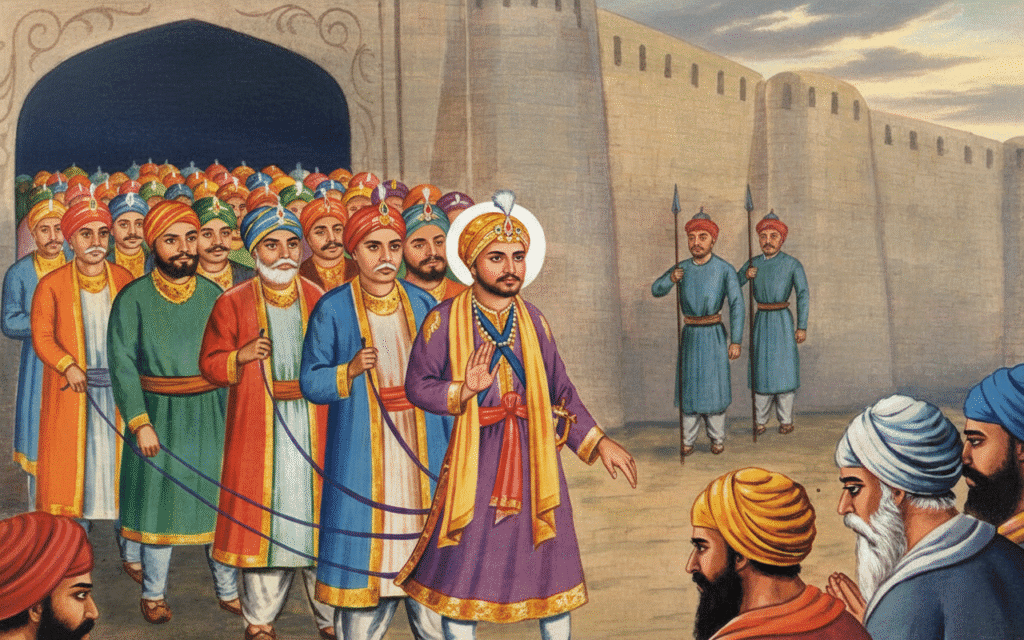
bandi chhor divas

Image Inspired By: Sikhi Wiki

For Sikhs, Diwali is also remembered as the day of freedom and compassion. Guru Hargobind Ji, the sixth Sikh Guru, was imprisoned in Gwalior Fort by the Mughal emperor. When the emperor finally agreed to release him, Guru Ji made a bold request — he would not leave unless the 52 Rajput kings held captive with him were also freed. The emperor agreed to this request — but only if they could physically leave with him in one go.

To make this possible, he had a special robe stitched with 52 long tassels. Each king held onto one tassel, and together they walked out of the fort with him. This clever act of courage and kindness became a symbol of unity and justice.

Sikhs celebrate this moment as Bandi Chhor Divas, the day of release. At the Golden Temple, thousands of diyas light up the night, and fireworks fill the sky — not just to mark Diwali, but to honour a leader who chose freedom for all over freedom for himself.

📜 The Five Days of Diwali: A Festival in Chapters

Diwali is not just one day. It is a five-day journey filled with meaning, emotion, and tradition. Each day brings its own rituals and stories, making the celebration rich and layered.

  • Dhanteras (18-Oct-25) is the beginning. People buy gold, silver, and new utensils to welcome wealth, health, and prosperity into their homes.
  • Choti Diwali (20-Oct-25), also known as Naraka Chaturdashi, marks Krishna’s victory over Narakasura. Families take oil baths and light early fireworks to cleanse away negativity and invite light.
  • Diwali (21-Oct-25), the main day, is a blend of devotion and joy. Homes glow with diyas, Lakshmi Puja is performed, crackers light up the sky, and sweets are shared with love.
  • Govardhan Puja (22-Oct-25), also called Annakut, honours Krishna’s protection and nature’s gifts. People offer food in abundance, thanking the earth for its bounty. In many regions, the same day is celebrated as Bali Pratipada, remembering King Bali’s fair rule and praying for good governance. It is also a time to close old ledgers and start fresh accounts, marking a new financial beginning.
  • Bhai Dooj (23-Oct-25) is a celebration of sibling love. Sisters pray for their brothers’ long life, and brothers promise to protect and cherish them always.

📌 More coming soon: A deeper look into each day’s rituals, regional flavors, and how Diwali continues to evolve.

celebrating diwali

🌟 Diwali: A Celebration of Joy, Unity and Renewal

Diwali is more than a festival. It is a fresh start, a deep breath, and a celebration of life. Its stories come from ancient times, but its spirit lives in every corner of modern life — touching hearts in ways both sacred and everyday.

🏠 Togetherness at Its Best

Diwali brings families close. Homes are cleaned to welcome good energy. Diyas are lit to brighten not just rooms but hearts. Laughter fills the air, old stories come alive, and new memories are made.

But not everyone celebrates at home. Soldiers at the border and policemen on duty spend Diwali away from their families. Yet their spirit shines just as bright. They see the whole country as their family, and their service becomes a quiet prayer for peace and protection.

Far from India, in cities like Sydney and New York, Diwali becomes a way to feel at home in a new land. Communities gather not just to celebrate, but to embrace those who are new to the city and the country. It is about opening arms, sharing food, and turning strangers into family. The glow of Diwali reaches across oceans, lighting up hearts wherever it goes.

🍬 Food, Fashion and Festivity

The smell of sweets, the shine of new clothes, the joy of sharing — Diwali is a treat for the senses. Kitchens turn into places of celebration, and every outfit adds colour to the moment. Whether you are exchanging mithai or dressing up for a gathering, happiness is everywhere.

🧑‍🤝‍🧑 A Festival for Everyone

Diwali goes beyond religion. Offices celebrate with gifts and bonuses. Schools hold rangoli contests and diya painting. Online, people send greetings and join virtual pujas. Whether you light a diya or grab a festive deal, there is a way for everyone to join in.

On a lighter note, not everyone gets a hefty bonus or an attractive gift. Some have to contend with just chai and biscuits. But here at QuantiSoul, we aim and pray for the most precious gift of all—your smile. Enjoy the light hearted reel below.

🌱 New Ways to Celebrate

Eco friendly crackers, LED diyas and thoughtful gifts are becoming the norm. Many now choose to donate, help others or support local artists — turning joy into kindness, and transforming the festive season into one of the country’s biggest economic events of the year.

🔄 A Time to Reset

For many merchants, Diwali starts the financial year, but it also feels like a personal new year. It is a time to reflect, forgive and begin again. People let go of old baggage and set fresh goals. It is not just about lighting lamps outside — it is about finding light within.
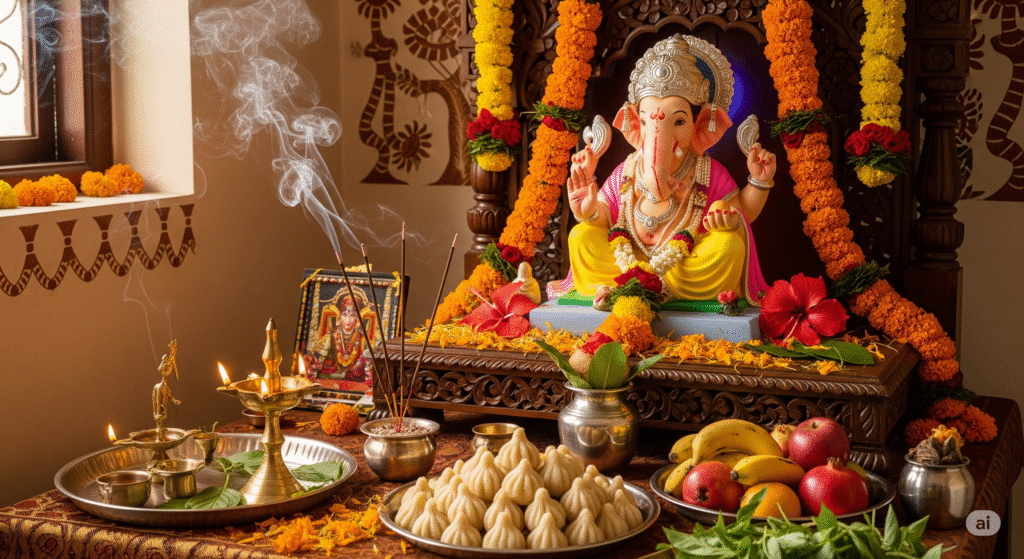
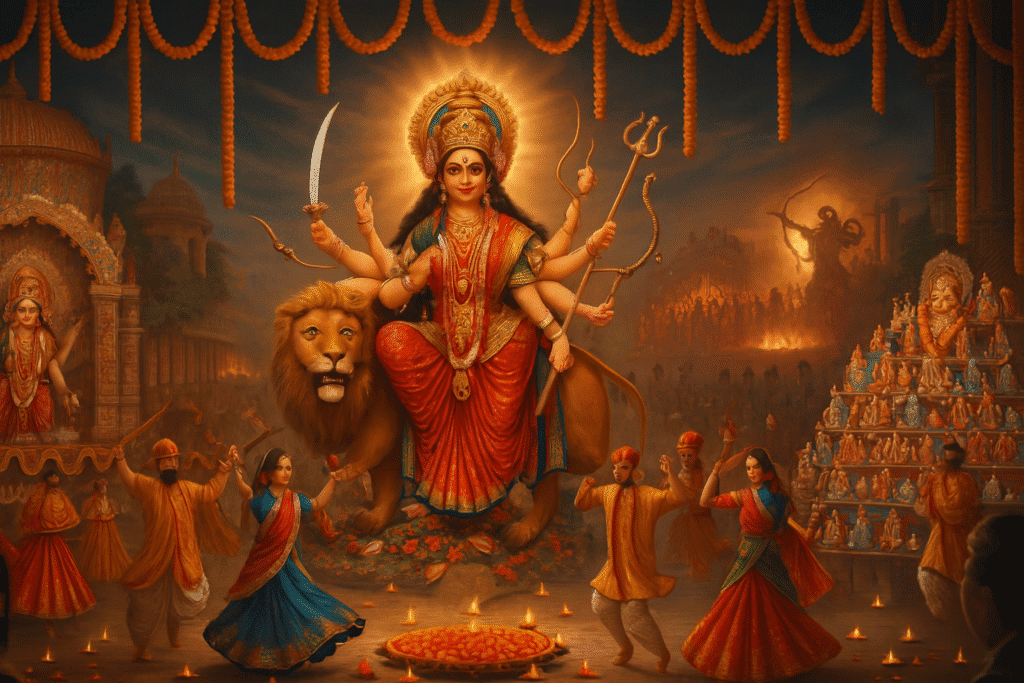
Lighting the Way Forward 🪔🪔🪔

Diwali is a festival that grows with us in meaning, memory and the way we choose to celebrate. From the burst of firecrackers to the serene stories of kindness and global connection, from quiet prayers to shared laughter, its light continues to guide us home. Stay tuned as we explore the many shades of this journey. There is always more to discover and more to feel.

We’d love to hear how Diwali lives in your world — whether it’s a quiet moment, a childhood memory, or a celebration that brought people together. If you have a story to share, feel free to send it in. You can also choose to stay anonymous. Every voice adds light to the journey.

1 thought on “Diwali: The Soul of India Illuminated”

Leave a Comment

Your email address will not be published. Required fields are marked *